

Oil and gas
Contributing to Danish and European energy security and independence
TotalEnergies has been a key player in the Danish North Sea for over 50 years, operating more than 80% of Denmark’s oil and 90% of its gas on behalf of the Danish Underground Consortium (DUC) – a joint venture between TotalEnergies (43.2%), BlueNord (36.8%), and Nordsøfonden (20%).
Denmark's oil production
Denmark's gas production
Oil was first discovered in the Danish sector of the North Sea in 1967, with commercial production from the Dan field commencing in 1972. In 2018, TotalEnergies acquired Maersk Oil and took over its oil and gas assets and operatorship of the DUC.
As a responsible operator, TotalEnergies oversees 15 producing fields structured around the four operational hubs Tyra, Dan, Halfdan and Gorm.

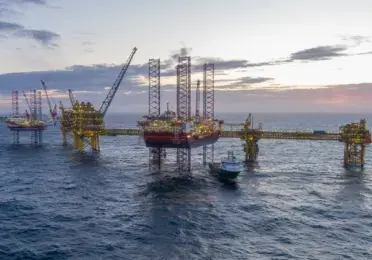
The Tyra Hub
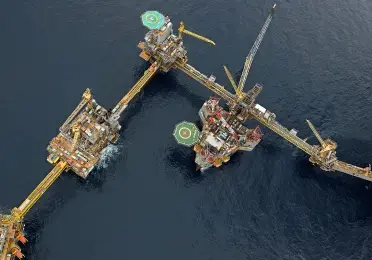
The Dan Hub
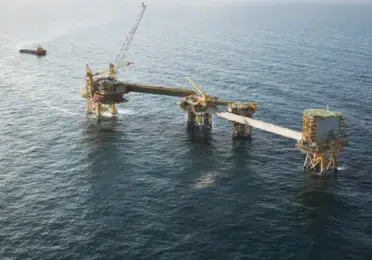
The Halfdan Hub
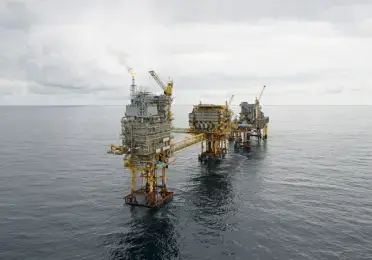
The Gorm Hub
The DUC’s production facilities are connected by around 800 kilometers of subsea pipelines, with export lines to shore in Denmark and the Netherlands. Oil is transported to Fredericia (DK), and gas is sent to Nybro (DK) and Den Helder (NL).
In 2025, the DUC produced 21.8 million barrels of oil and had a sales gas production of 2.66 billion (standard) m³.
Denmark has a strong position in the development and deployment of green energy, yet nearly 50% of the country’s energy consumption still relies on oil and gas, partly sourced from the North Sea. As the largest operator in the Danish North Sea and a long-term partner for Denmark, TotalEnergies plays a crucial role in ensuring energy security and independence.
Managing Director, TotalEnergies EP Denmark

Energy security and independence
As the operator of the vast majority of Danish oil and gas, TotalEnergies ensures a stable and secure energy supply to Denmark and Europe, contributing to our energy security and independence.
The geopolitical landscape has shifted significantly in recent years. Energy policy has become closely tied to security policy. The oil and gas resources in the Danish North Sea are invaluable, both in meeting Denmark’s energy needs and supporting neighboring European countries.
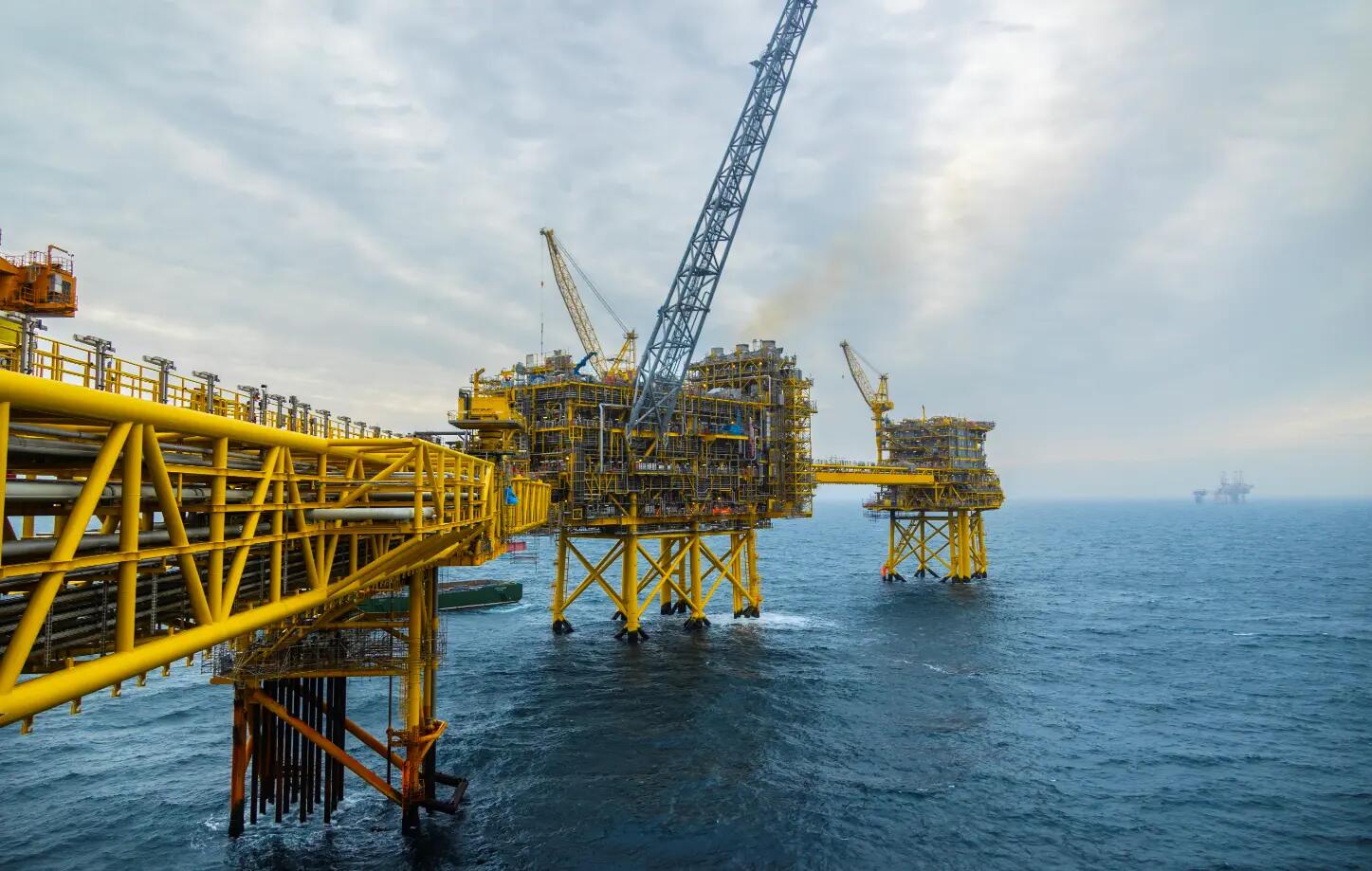
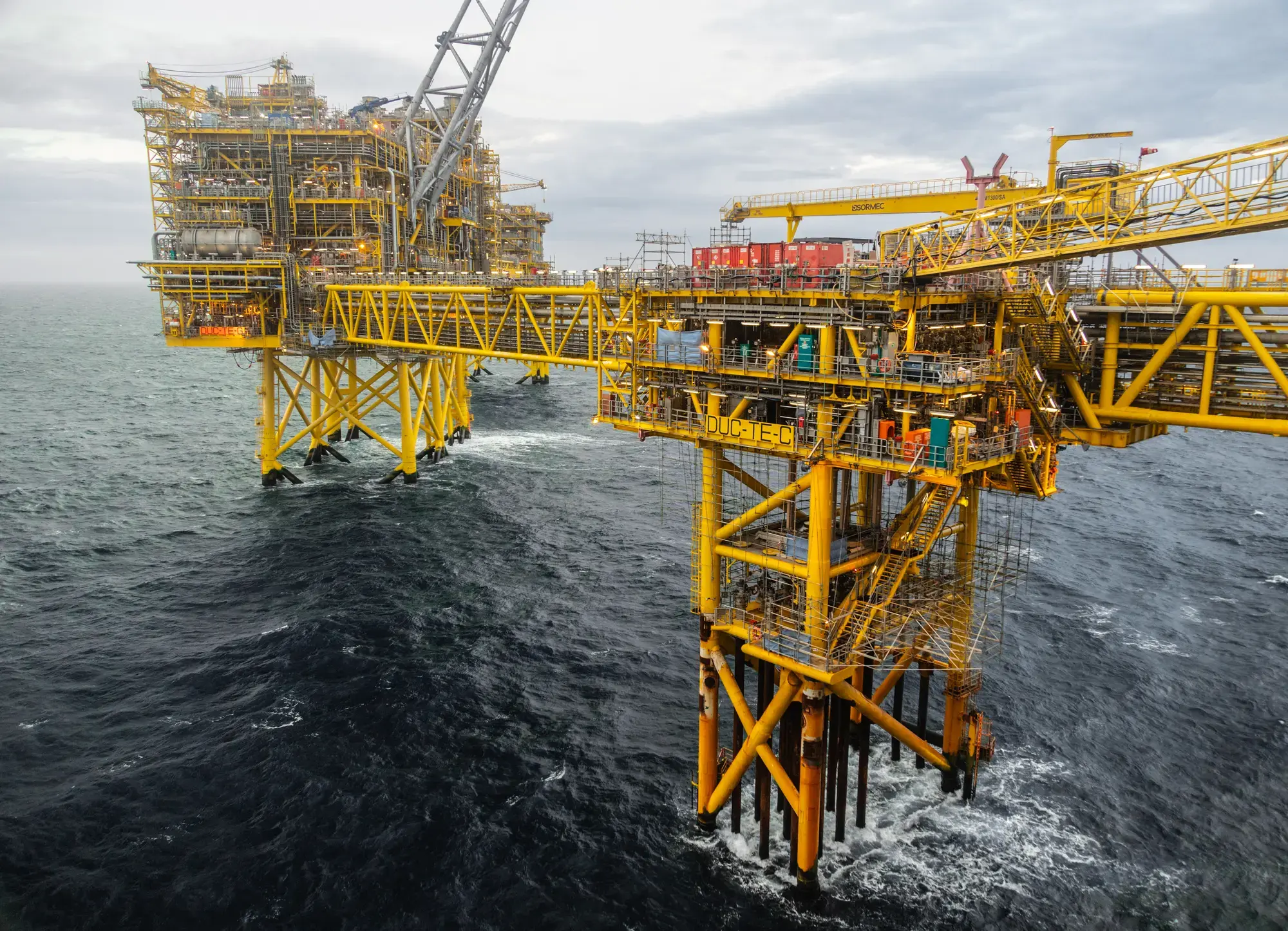
The redeveloped Tyra hub, located 225 kilometers west of Esbjerg in the North Sea, is expected to deliver up to 2.8 billion cubic meters of gas annually. This allows Denmark to achieve energy self-sufficiency and become a net exporter of natural gas.
.webp "TotalEnergies")
On 6 October 2025, Tyra was officially inaugurated
Watch the Tyra Grand Finale Movie along with the official inauguration recap.
Balancing oil and gas extraction with climate goals
TotalEnergies is a multi-energy company and committed to to contributing to a sustainable energy transition. While the long-term ambition is a fully renewable energy system, oil and gas remain essential to ensure energy security, system stability, and economic viability during the transition.
Natural gas, in particular, continues to play an important role in the energy mix as it can support near‑term supply security and help reduce emissions by replacing coal, which is still used in many European countries. In this context, gas from the Danish North Sea strengthens energy security by reducing import dependence while offering a lower emissions footprint than imported LNG.
In its 2023 Energy Policy Review of Denmark, the International Energy Agency (IEA) highlights the importance of balancing ambitious climate targets with short‑term energy security considerations. The IEA recognizes that existing oil and gas production in the Danish North Sea contributes to meeting domestic and European energy demand in the transition period, while underscoring the need for clear long‑term signals and a managed decline aligned with Denmark’s climate objectives.
Economic impact of Danish North Sea oil
Since production start in 1972, the oil and gas from the Danish North Sea has been crucial to Denmark’s economy, energy supply, and labor market.
From 1972-2002, the industry contributed approximately 544 billion DKK to the Danish state, supporting public services and infrastructure. DUC’s production has enabled Denmark to be self-sufficient in oil and gas since 1993.
Today, the sector remains a significant contributor to jobs and economic activity. It directly employs around 6,900 people in Denmark, with total employment effects reaching approximately 19,600 jobs when including suppliers and induced activity—equivalent to around 1.2% of private sector employment. Esbjerg continues to be a key hub, with more than 3,000 people directly employed in the sector and around 8,700 jobs supported across the wider region.
TotalEnergies continues to play an active role in this contribution. In 2025 alone, the company spent DKK 5.5 billion in Denmark, including DKK 2.7 billion with suppliers in Esbjerg. Strong local partnerships remain a priority, with 16 of our 20 largest suppliers based in Denmark—11 of them in Esbjerg.
As operator of the Sole Concession until 2042, TotalEnergies is committed to responsibly developing the Danish North Sea and continuing to support economic growth, local industry, and employment.
.webp "TotalEnergies")
Podcast: Hear the voices behind Tyra II
As Europe moves away from Russian gas, Tyra plays a key role. Listen to a podcast for stories from offshore life, insights from the team, and behind‑the‑scenes perspectives from Denmark’s largest gas field.
Protecting biodiversity around our oil and gas platforms
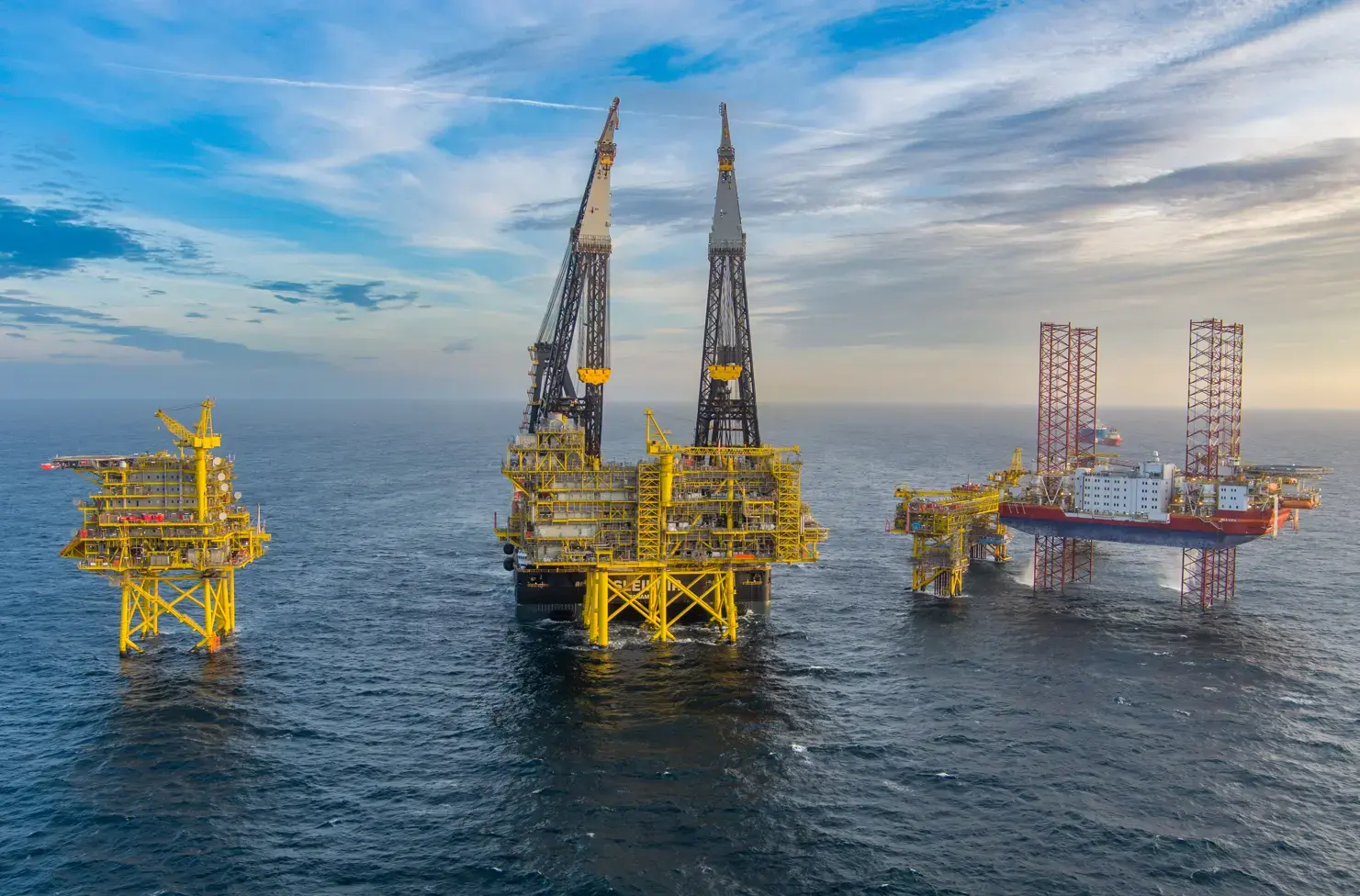
Life at sea is under pressure in many places but may be less so around our Danish North Sea platforms.
The North Sea is the home of our Danish operations, making it essential that we understand the marine life around our platforms. We work closely with researchers and experts to build knowledge about the marine environment and biodiversity trends around platforms. The data guides our decision-making related to activities at sea, and our hope is that the wider society, including industry, authorities, and policymakers can also benefit from it.
A key part of this effort is sharing environmental data. TotalEnergies, along with DUC partners BlueNord and Nordsøfonden, and DHI have launched an open data portal – the North Sea Environment Portal – which provides access to more than 40 years of data on environmental and biodiversity trends.

Offshore installations’ role for marine life

Decades of data will now be made public to strengthen future North Sea marine environment plans
Reducing our carbon footprint
At TotalEnergies, we are continuously reducing our CO₂ footprint from our operations while delivering reliable energy. We are on track to reduce GHG emissions by 40% by 2030 compared to 2015.
We work consistently to identify and deliver CO₂ reductions that deliver measurable results – from improving energy efficiency to deploying new technologies and optimizing operations and processes.
Examples include:
- The re-routing of Halfdan oil production to Dan Fox. Implemented in July 2023, it enabled us to fully eliminate routine flaring.
- The flare gas recovery on Gorm captures gas that would otherwise be flared and routes it into the export system, , reducing emissions by around 10 kt CO₂e per year and cutting flaring by approximately 37% while improving efficiency.
- The use of innovative AUSEA-drones help us to reduce our CO₂ and methane emissionsThe installation of 810 methane sensors across all offshore platforms enables continuous monitoring, strengthening detection and reducing emissions.
- The modernized Tyra facilities operate with around 30% lower emissions compared to the old facilities because of its new design, high-tech equipment, new ways of working, overall improved energy efficiency, and lower production volumes.
Tyra II: Powering Denmark’s Energy Future
Our partnership with CNBC is reinventing itself to bring to life our new series, “Energy Horizon,” an inspiring and optimistic vision of TotalEnergies' role in the energy challenges of today and tomorrow. Through powerful, human stories rooted in the field, each episode takes you to the four corners of the globe to discover the solutions and innovations embodied by the men and women of the Company working to drive the energy transition.
In this fourth episode, we travel to the Danish North Sea to discover Tyra II, Denmark’s main offshore gas processing facility. Rebuilt through one of Europe’s most ambitious offshore redevelopment projects, this vital infrastructure now combines advanced technology with greater efficiency and reliability - helping strengthen energy security in Denmark and across Europe while reducing its environmental footprint.
The heartbeat of our offshore operations
At the heart of our oil and gas operations are the dedicated people who make it all possible. Around 1,000 employees at TotalEnergies in Denmark ensure safe and reliable energy production every day.
Our workforce is a testament to our commitment to diversity and international collaboration, with employees from around 50 countries. This diversity enriches our operations and fosters a dynamic and collaborative work environment. High engagement levels of around 80% reflect a strong culture built on trust, collaboration and shared responsibility.
Our workforce reflects the current industry demographics, with 20% women and 80% men overall, and around 3% women in offshore roles.
Suppliers play a critical role in our operations, providing the expertise and services needed to ensure safe and reliable production. In 2025, we spent DKK 2.7 billion with suppliers in the Esbjerg area, supporting strong local capabilities.
Keeping our people and operations safe
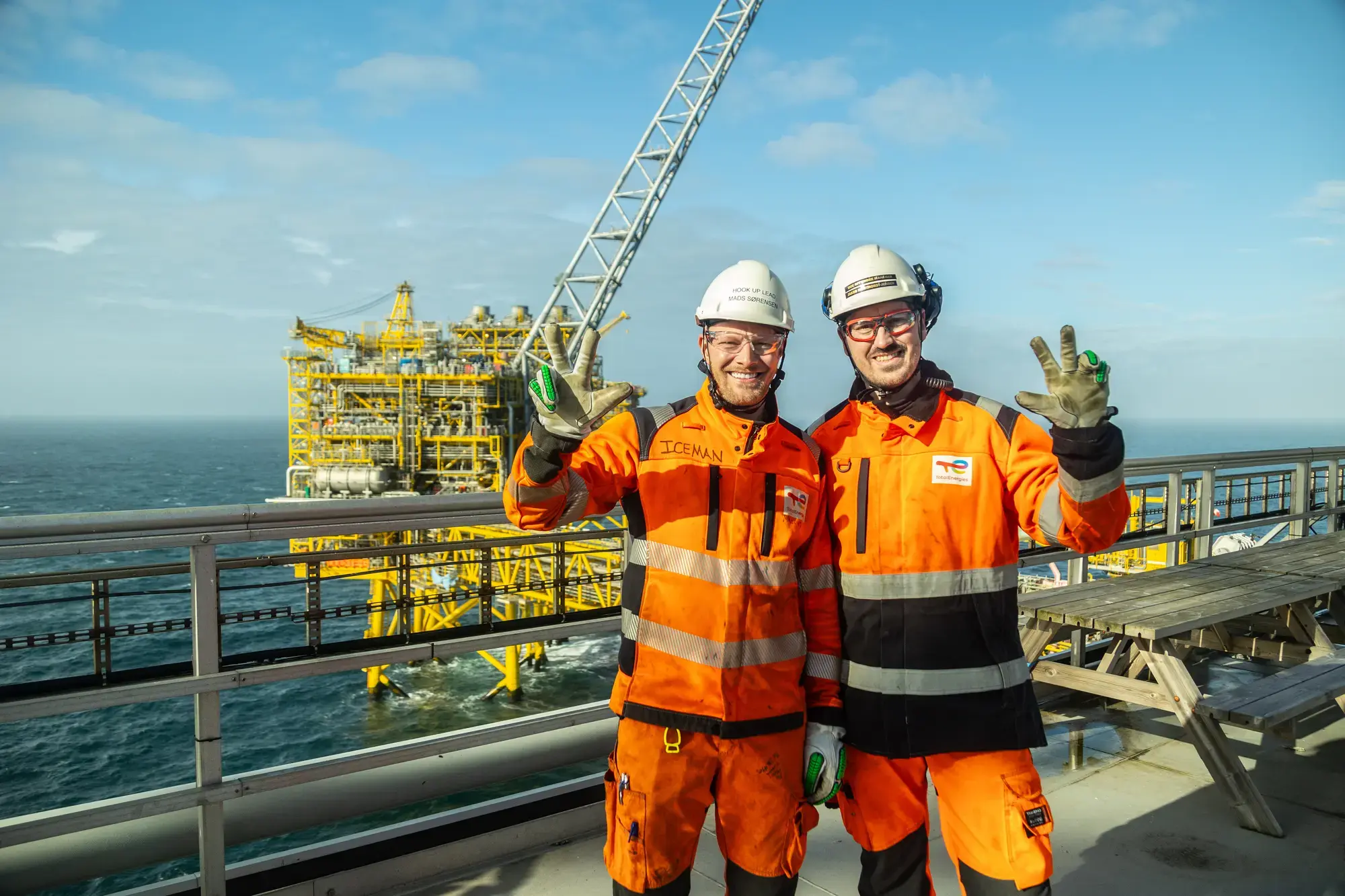
At TotalEnergies, safety is not just a priority; it is a core value that underpins everything we do. Our commitment is simple yet profound: we want everyone to go home safely every single day.
This dedication to safety is integral to all our operations and is reflected in our overarching safety goals. Our safety goals include achieving zero fatalities, continuously decreasing the Total Recordable Incident Rate (TRIR), preventing major industrial accidents, and maintaining and promoting the health of our people.
What’s it really like to work offshore?
Join Jannik Lindgreen, Maintenance Superintendent, on the Tyra platform for a behind-the-scenes look at life offshore, teamwork across disciplines, and the people who keep energy production running safely and reliably.
Starting at 6 a.m., Jannik’s day is focused on keeping operations running smoothly - from monitoring critical equipment and coordinating contractors to solving technical issues as they arise. While the work is demanding, the strong sense of teamwork and community is what stands out most. It’s a unique environment that Jannik proudly calls his “second family.”


